
Debunking Common Landscaping Myths: What Michigan Homeowners Need to Know
Myth 1: Native Plants Are Low Maintenance
Many Michigan homeowners believe that native plants require little to no maintenance. While it’s true that these plants are adapted to local conditions, they still require regular care. Native plants need proper watering, pruning, and occasional pest control to thrive. Homeowners should not assume that planting natives means neglecting them.
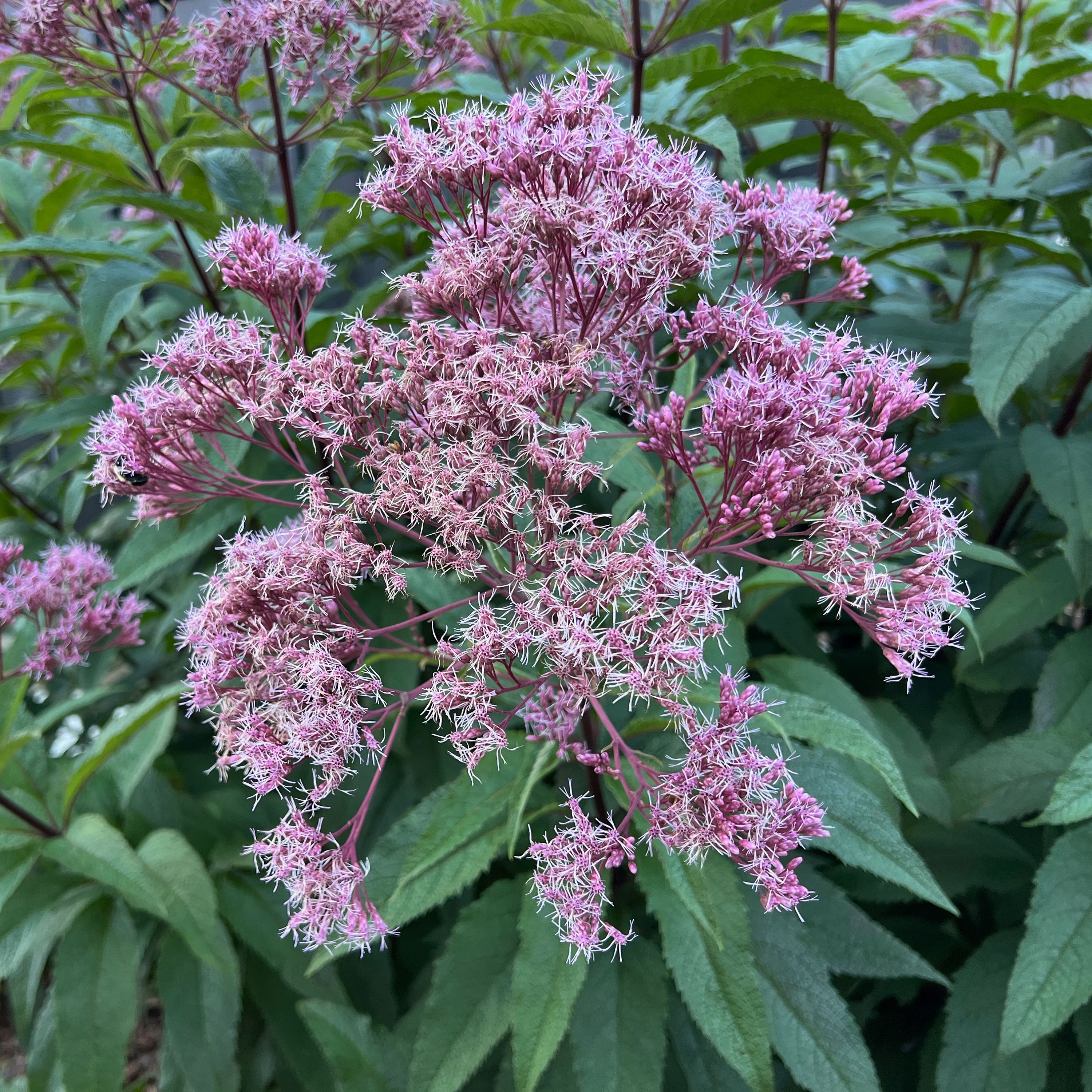
For those looking to reduce maintenance, consider a balanced mix of native and non-native plants. This approach can provide the aesthetic appeal and resilience needed for Michigan’s diverse climate.
Myth 2: Fertilizers Are Always Necessary
Another common misconception is that fertilizers are a must for all landscapes. In reality, excessive use of fertilizers can harm plants and the environment. Many Michigan soils are already rich in nutrients, making additional fertilization unnecessary.
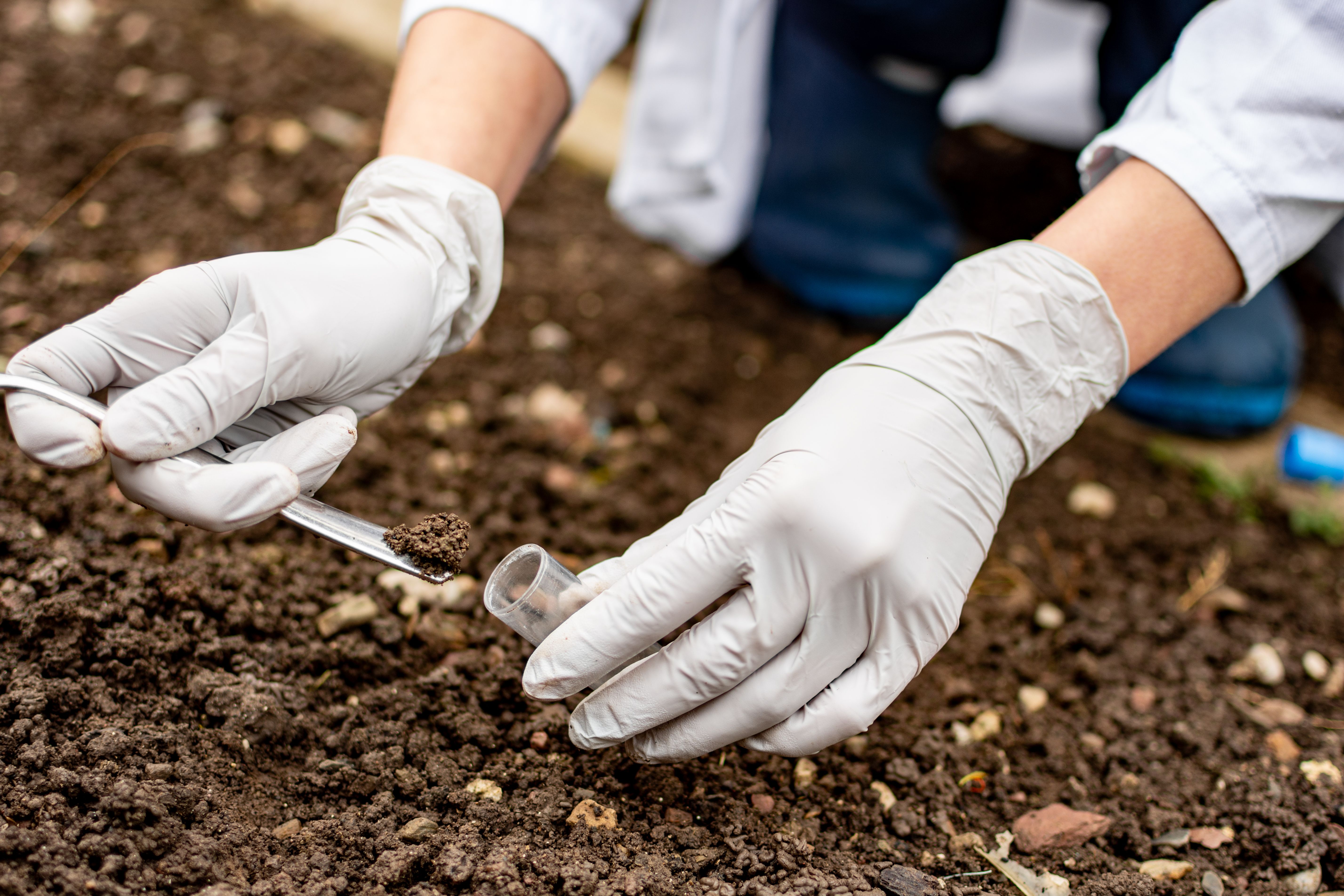
Homeowners should conduct soil tests to determine nutrient levels. This ensures you’re only adding what’s needed, which can save money and protect local waterways from chemical runoff.
Myth 3: More Water Equals Better Growth
Many believe that the more you water your lawn and plants, the healthier they’ll be. This is a myth. Over-watering can lead to root rot and other diseases. Most Michigan plants benefit from deep, infrequent watering rather than frequent shallow watering.
To ensure proper hydration, use a rain gauge or soil moisture sensor to track water levels. This practice helps maintain the right balance and promotes healthier plant growth.
Myth 4: Landscaping Is Only for Aesthetics
Landscaping is often seen solely as a way to enhance curb appeal. However, it serves many functional purposes. Thoughtfully designed landscapes can improve energy efficiency by providing shade and windbreaks. They can also support local ecosystems and improve air quality.
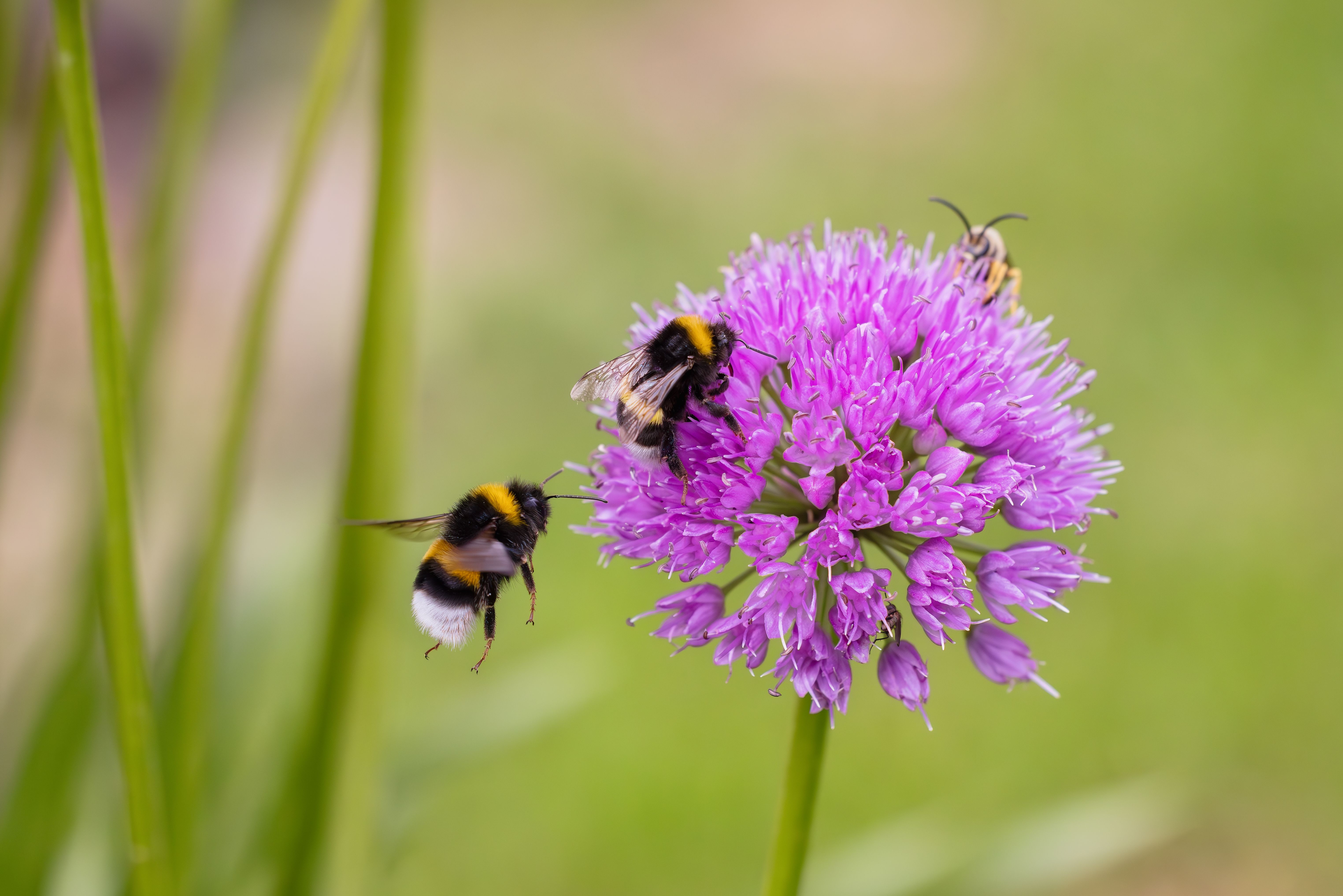
When planning a landscape, consider both aesthetic and functional goals. This holistic approach ensures a beautiful and sustainable outdoor space.
Myth 5: All Grass Types Are the Same
Some homeowners assume that all grass types perform similarly. In truth, choosing the right grass variety is crucial for a healthy lawn. Factors like sun exposure, foot traffic, and soil type influence which grass will thrive in your Michigan lawn.
Bluegrass, fescue, and ryegrass are popular choices in Michigan. Each has unique characteristics suited for different conditions. Consulting with a local landscaping expert can help in selecting the best grass for your lawn.

Conclusion
Understanding these common landscaping myths can lead to healthier, more sustainable outdoor spaces. Michigan homeowners who educate themselves on local conditions and plant needs will enjoy landscapes that are both beautiful and functional. Always consider expert advice and local resources when planning and maintaining your landscape.