
Guide to Sustainable Landscaping in Michigan: Eco-Friendly Tips and Techniques
Understanding Sustainable Landscaping
Sustainable landscaping is about creating a harmonious relationship between your outdoor space and the local environment. In Michigan, this means considering the unique climate, soil conditions, and native plants. By focusing on eco-friendly techniques, you can reduce water usage, minimize chemical inputs, and support local wildlife.
Choosing Native Plants
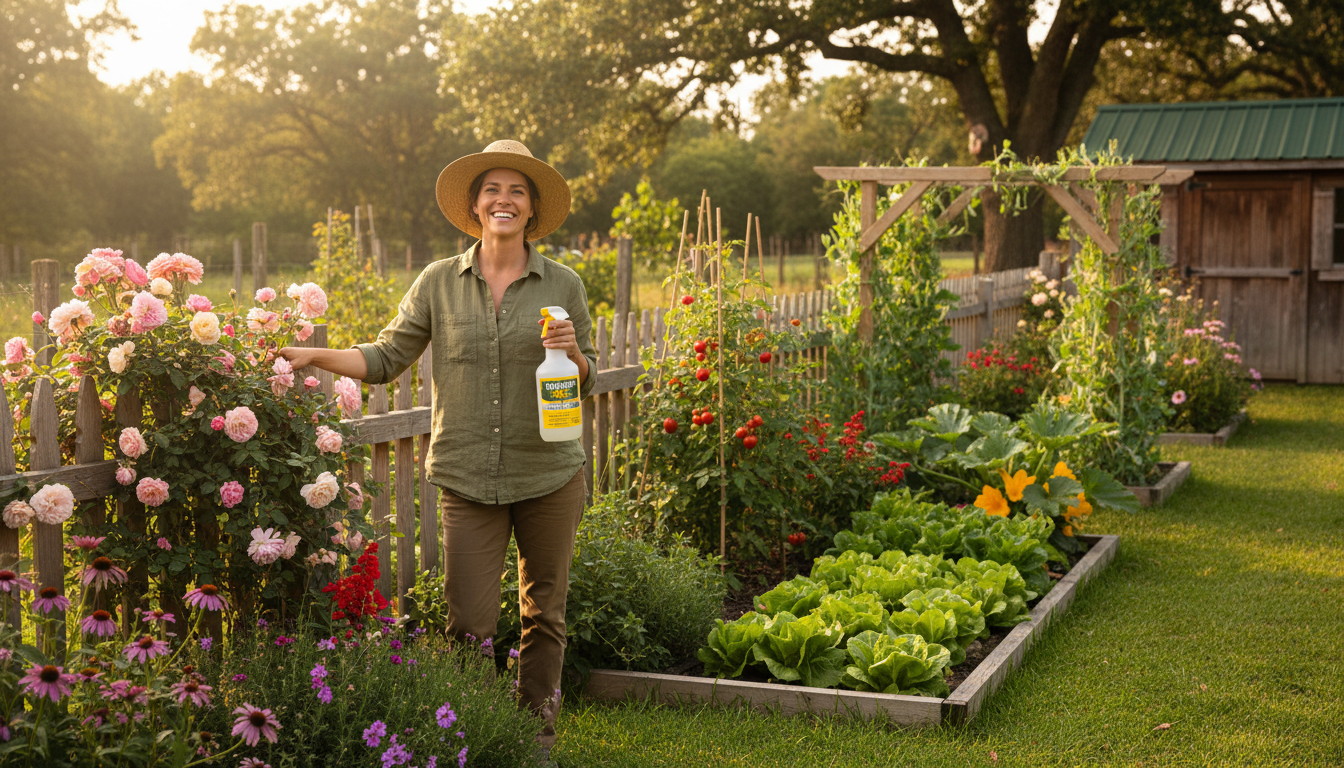
One of the most effective ways to create a sustainable landscape is by selecting native plants. These species are adapted to Michigan’s climate, requiring less water and maintenance. Popular native options include the Eastern Redbud, Black-eyed Susan, and Butterfly Weed. These plants not only thrive in local conditions but also provide crucial support for pollinators.
Water Conservation Techniques
Water conservation is a cornerstone of sustainable landscaping. In Michigan, where weather can be unpredictable, implementing efficient irrigation systems is key. Consider installing a drip irrigation system, which delivers water directly to the roots and reduces evaporation. Additionally, collecting rainwater in barrels can supplement your irrigation needs.

Soil Health and Composting
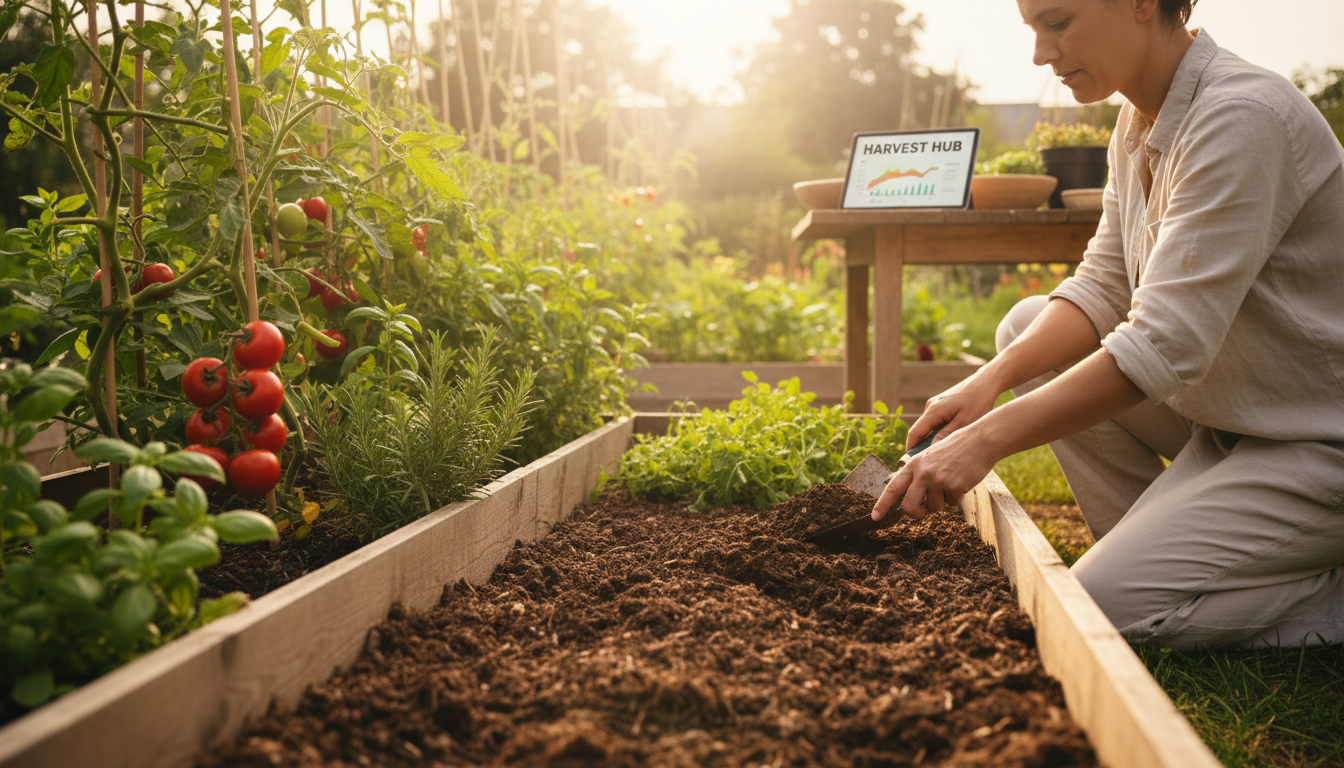
Maintaining healthy soil is essential for a thriving garden. Regularly testing your soil can help you understand its nutrient levels and pH balance. Incorporating organic matter, such as compost, can improve soil structure and fertility. Composting kitchen scraps and yard waste not only reduces landfill contributions but also enriches your garden naturally.
Eco-Friendly Lawn Care
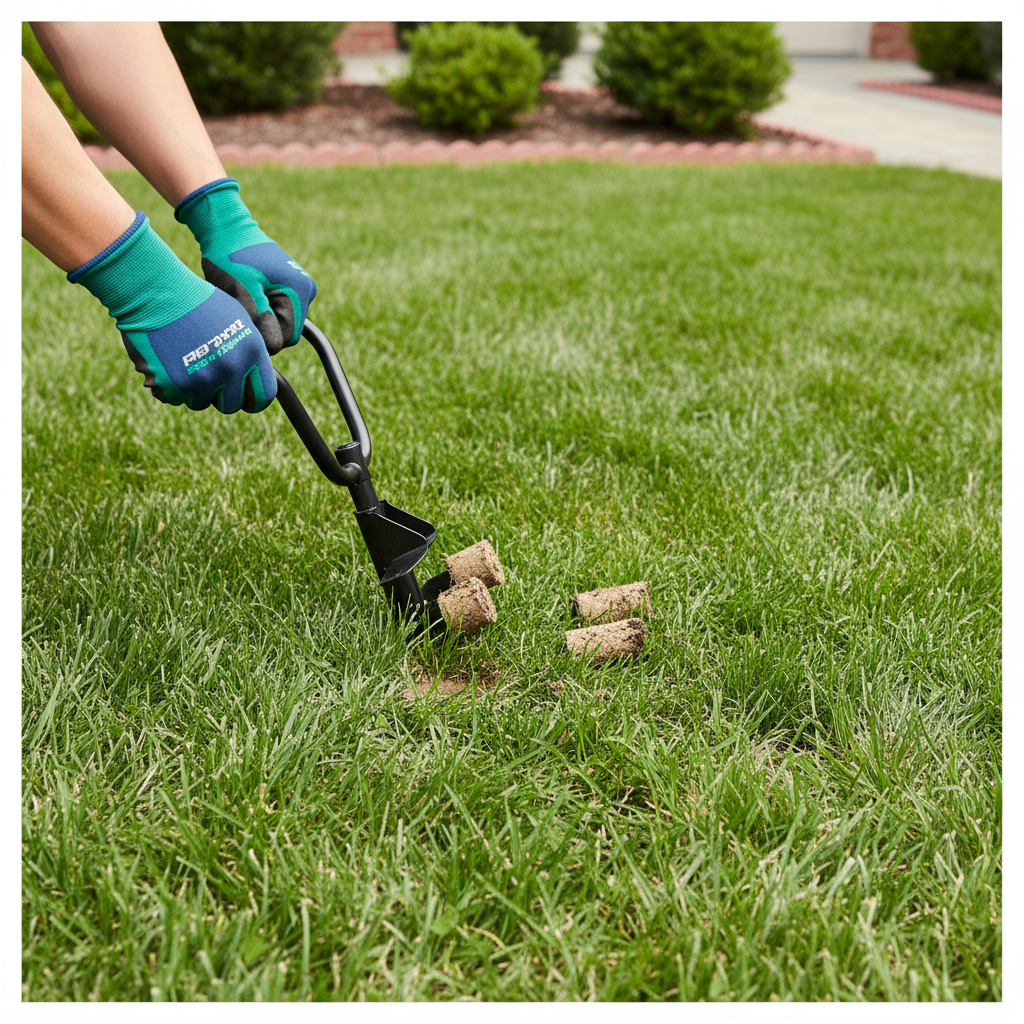
Traditional lawns can be high-maintenance and resource-intensive. Consider reducing lawn size or switching to low-mow grasses that require less water and mowing. If a lawn is essential, practice eco-friendly care by mowing high, leaving grass clippings to decompose, and using natural fertilizers.
Integrated Pest Management
Controlling pests without harmful chemicals is crucial for sustainable landscaping. Integrated Pest Management (IPM) focuses on prevention, monitoring, and control. Encourage beneficial insects like ladybugs and lacewings, and use natural remedies such as neem oil or insecticidal soap when necessary. This approach protects the ecosystem while managing pest populations.
Creating Wildlife Habitats
Enhancing your landscape to support wildlife can be both rewarding and beneficial to the environment. Incorporate birdhouses, bat boxes, and bee hotels to provide shelter. Planting a variety of flowers, shrubs, and trees will offer food and habitat for various species. By fostering biodiversity, your landscape becomes a vibrant, dynamic ecosystem.
Reducing Waste and Recycling
Minimizing waste is another important aspect of sustainable landscaping. Use recycled materials for pathways and garden structures whenever possible. Compost yard waste and avoid single-use plastics. By focusing on recycling and waste reduction, you can significantly lower your environmental footprint.
By adopting these sustainable landscaping techniques, you can create an eco-friendly garden that thrives in Michigan’s unique environment. Implementing these strategies not only benefits the planet but also results in a beautiful, low-maintenance outdoor space that you can enjoy year-round.