
Maximize Your Property's Value with Sustainable Landscaping Practices
Understanding Sustainable Landscaping
Sustainable landscaping is an approach that integrates environmental practices to create outdoor spaces that are both beautiful and eco-friendly. By adopting sustainable landscaping, you can significantly enhance your property's value while contributing positively to the environment. This method focuses on reducing water usage, minimizing chemical fertilizers, and promoting biodiversity.
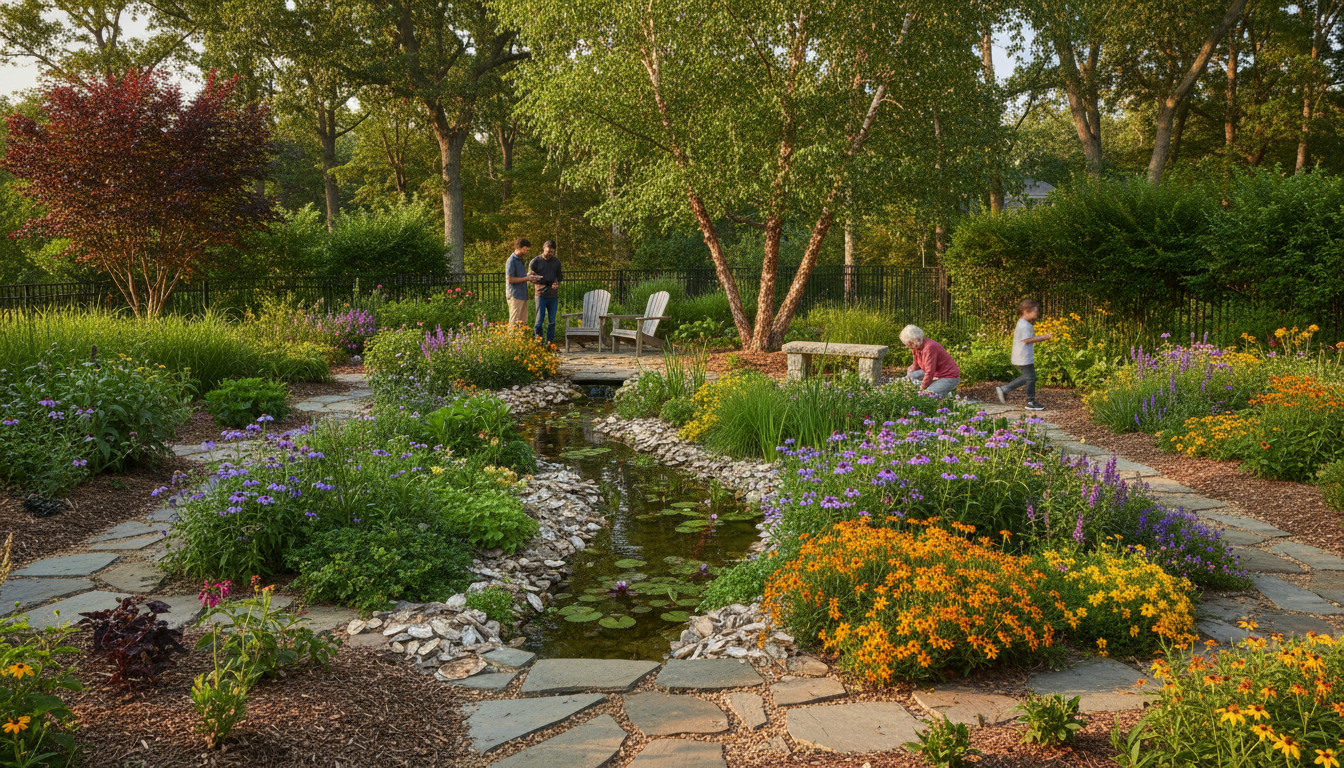
The first step in sustainable landscaping is understanding your local climate and soil conditions. This knowledge helps in selecting plants that are native or well-adapted to your area, ensuring they thrive with minimal intervention. Native plants require less water and are more resistant to local pests, reducing the need for chemicals.
Benefits of Sustainable Landscaping
Implementing sustainable landscaping practices offers a range of benefits. First, it reduces maintenance costs by minimizing water and chemical use. Additionally, it helps in creating a habitat for local wildlife, promoting biodiversity. This not only enhances the aesthetic appeal of your property but also makes it more attractive to potential buyers.
Another significant advantage is the improvement in air quality. Plants and trees act as natural air filters, absorbing pollutants and releasing oxygen. By increasing the greenery around your property, you contribute to a healthier environment for your community.
Water Conservation Techniques
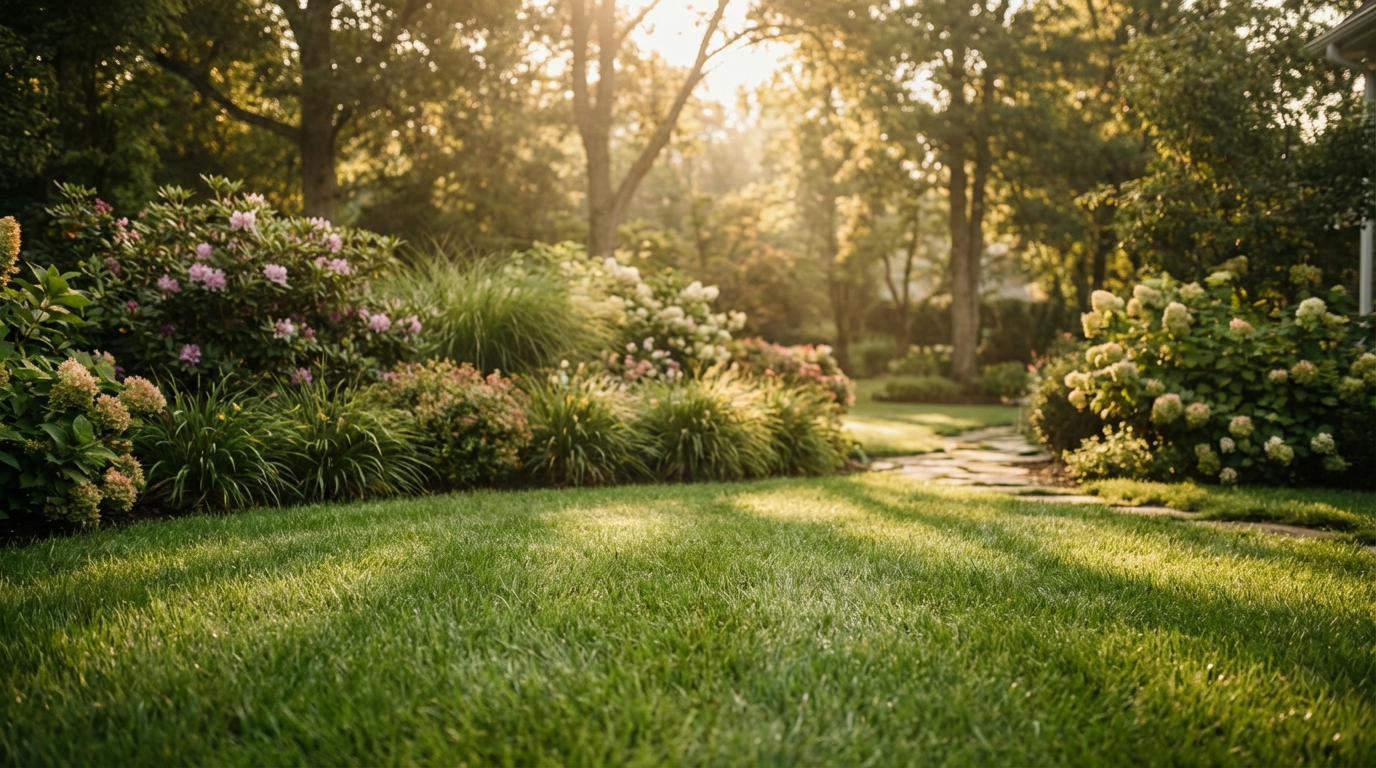
Water conservation is a critical component of sustainable landscaping. Efficient irrigation systems, such as drip irrigation, ensure that water is used judiciously. Additionally, incorporating rainwater harvesting systems can provide a sustainable source of water for your garden.
- Choose drought-tolerant plants.
- Install rain barrels to collect rainwater.
- Use mulch to retain soil moisture.
Soil Health and Fertility
Maintaining soil health is crucial for a thriving garden. Sustainable practices include composting organic waste to create nutrient-rich soil, reducing the need for chemical fertilizers. Healthy soil supports robust plant growth, leading to a vibrant, lush landscape.
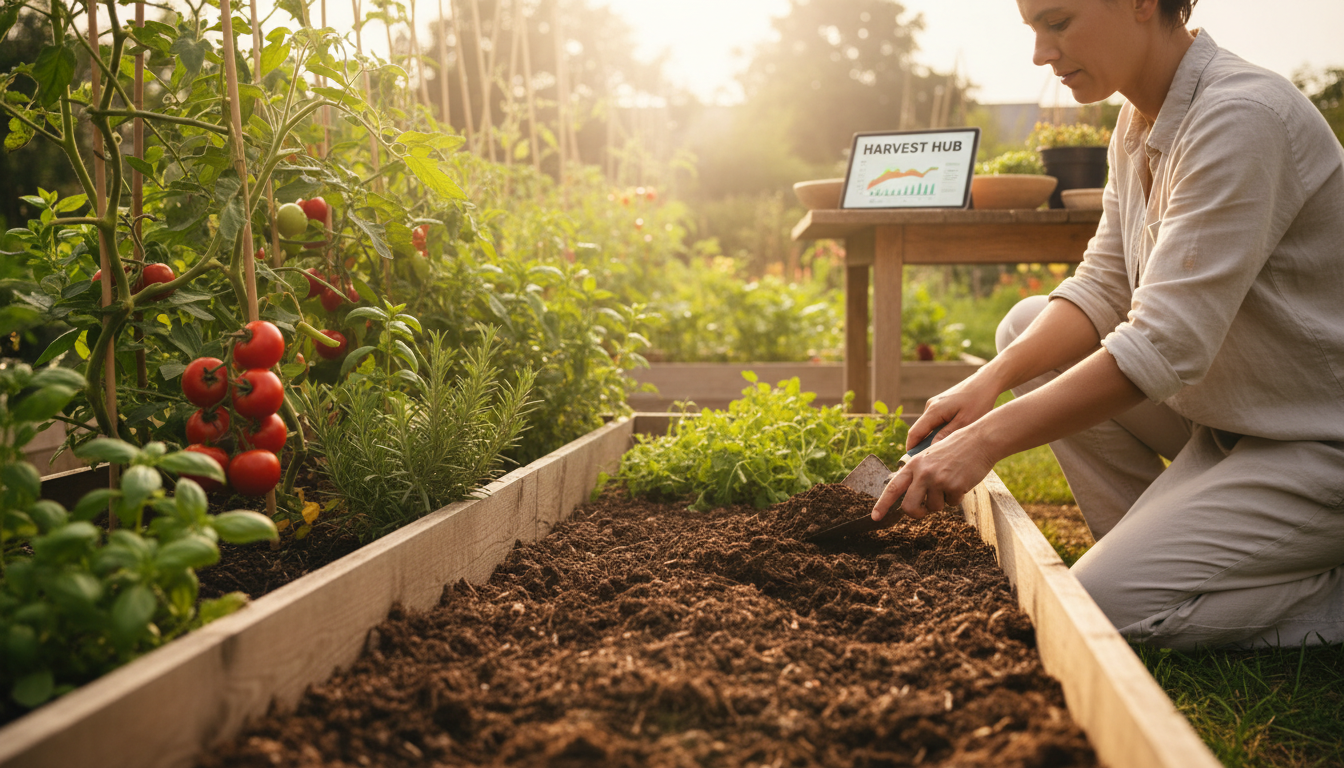
Moreover, practicing crop rotation and planting cover crops can improve soil structure and fertility. These methods help in maintaining a balanced ecosystem, which is essential for plant health and resilience.
Enhancing Biodiversity
Promoting biodiversity is a key element of sustainable landscaping. By creating a diverse ecosystem, you encourage beneficial insects and birds to thrive, which naturally manage pest populations. Planting a mix of flowers, shrubs, and trees can attract pollinators, essential for a healthy garden.
- Include a variety of flowering plants.
- Install bird feeders and houses.
- Create a small pond to attract amphibians.
In conclusion, sustainable landscaping not only maximizes your property's value but also contributes to a healthier planet. By adopting these practices, you can create an aesthetically pleasing, eco-friendly space that appeals to environmentally conscious buyers.