
Seasonal Landscape Maintenance Tips for Macomb Residents
Spring: Revitalize Your Landscape
As the snow melts and temperatures rise, it's time to prepare your landscape for the vibrant spring season. Begin by clearing away debris such as fallen leaves and branches that accumulated over the winter months. This helps prevent disease and allows new growth to emerge unhindered.
Spring is also the perfect time to fertilize your lawn. Applying a slow-release fertilizer will provide essential nutrients that encourage growth and enhance the overall health of your grass. Additionally, consider aerating your lawn to improve soil drainage and root development.

Planting New Flowers and Shrubs
Early spring is ideal for planting new flowers and shrubs. Choose native plants that thrive in the Macomb climate for best results. Be sure to follow planting instructions specific to each species to ensure they establish well. Adding a layer of mulch around new plantings can help retain moisture and deter weeds.
Summer: Maintain and Protect
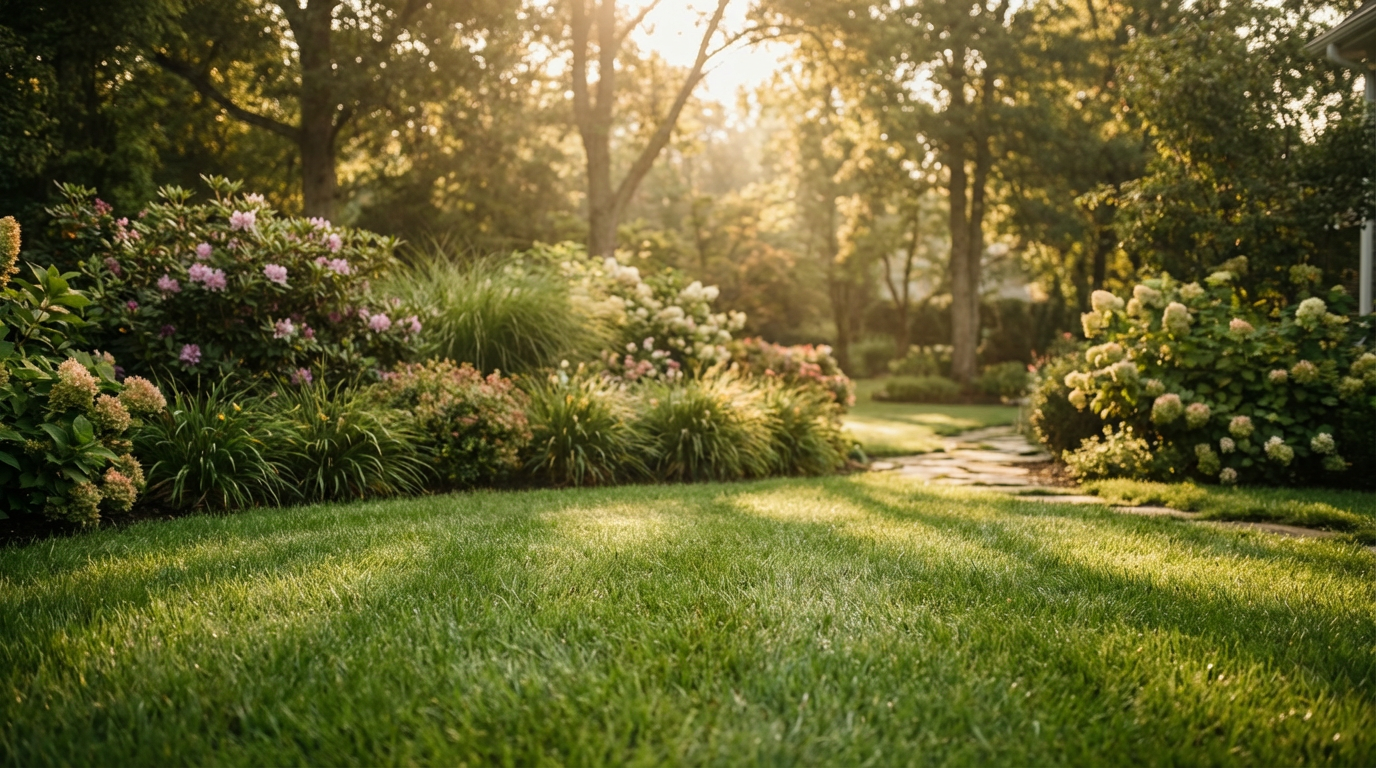
With the summer heat, maintaining a healthy landscape requires diligent care. Watering becomes crucial, especially during dry spells. Aim for deep, infrequent watering sessions to encourage deep root growth. Consider watering early in the morning to minimize evaporation.
Pest Control Strategies
Summer is also a time when pests can become a major issue. Regularly inspect your plants for signs of infestations, such as discolored leaves or chewed foliage. Using natural pest control methods, like introducing beneficial insects or using neem oil, can help keep pests at bay without harming the environment.
Fall: Prepare for Winter
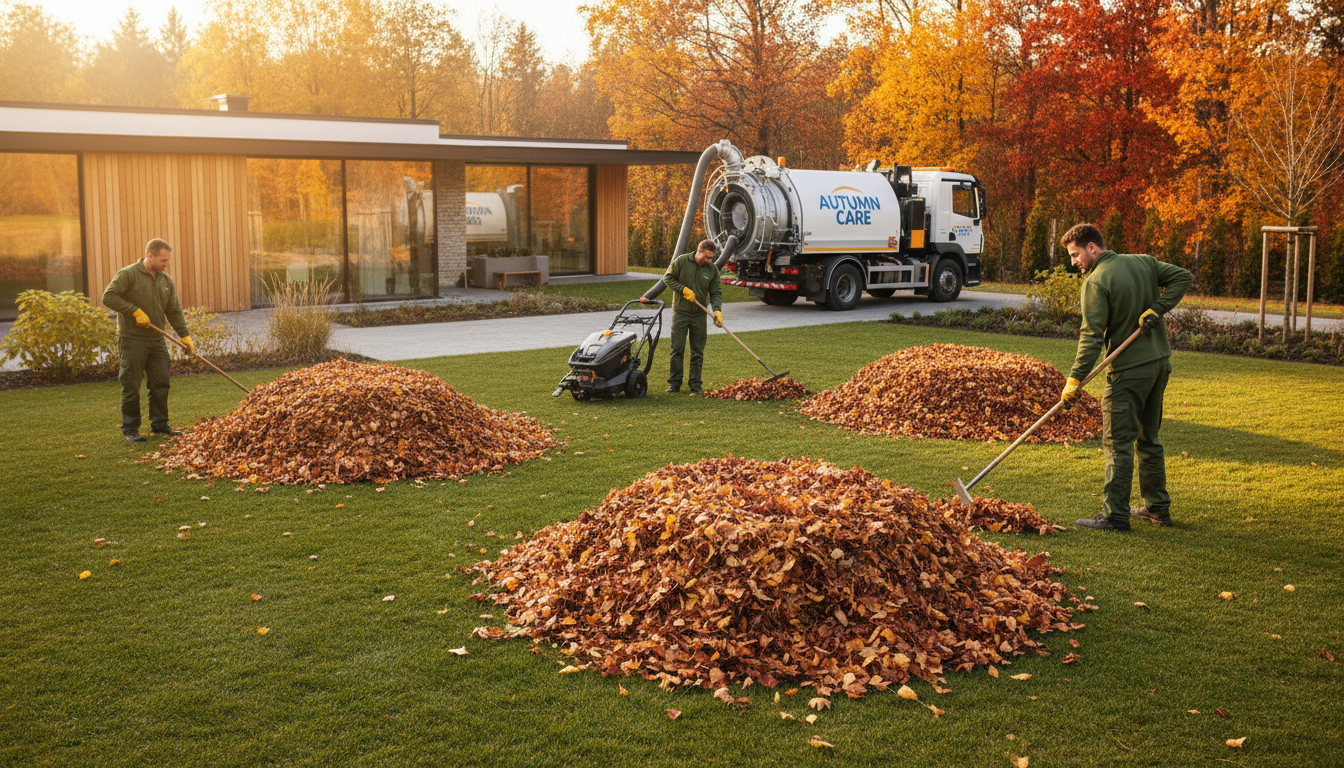
As temperatures begin to drop, it's important to prepare your landscape for the colder months. Start by raking fallen leaves and removing any dead plants. This not only keeps your yard looking tidy but also prevents mold and disease.
Lawn Care in the Fall
Fall is an excellent time to fertilize your lawn one last time before winter. This helps strengthen the grass roots, ensuring a lush lawn come spring. Additionally, overseeding can fill in any bare spots and give your lawn a head start for the next growing season.
Winter: Protect and Plan
During winter, your landscape requires protection from harsh weather conditions. Apply a layer of mulch around trees and shrubs to insulate the roots against freezing temperatures. For delicate plants, consider using burlap wraps or other protective coverings.
Planning for the Coming Year
Winter is also a great time to plan for the upcoming gardening season. Reflect on what worked well and what could be improved. Research new plants or landscape designs you wish to try in the spring. Having a plan in place will make the transition into the new season smoother and more effective.