
The Ultimate Guide to Sustainable Landscaping in Michigan
Understanding Sustainable Landscaping
Sustainable landscaping is an approach that focuses on creating environmentally friendly and resource-efficient outdoor spaces. In Michigan, this means designing landscapes that thrive in the local climate and support native biodiversity. By adopting sustainable practices, you can reduce water usage, minimize chemical inputs, and enhance the natural beauty of your property.
Incorporating Native Plants
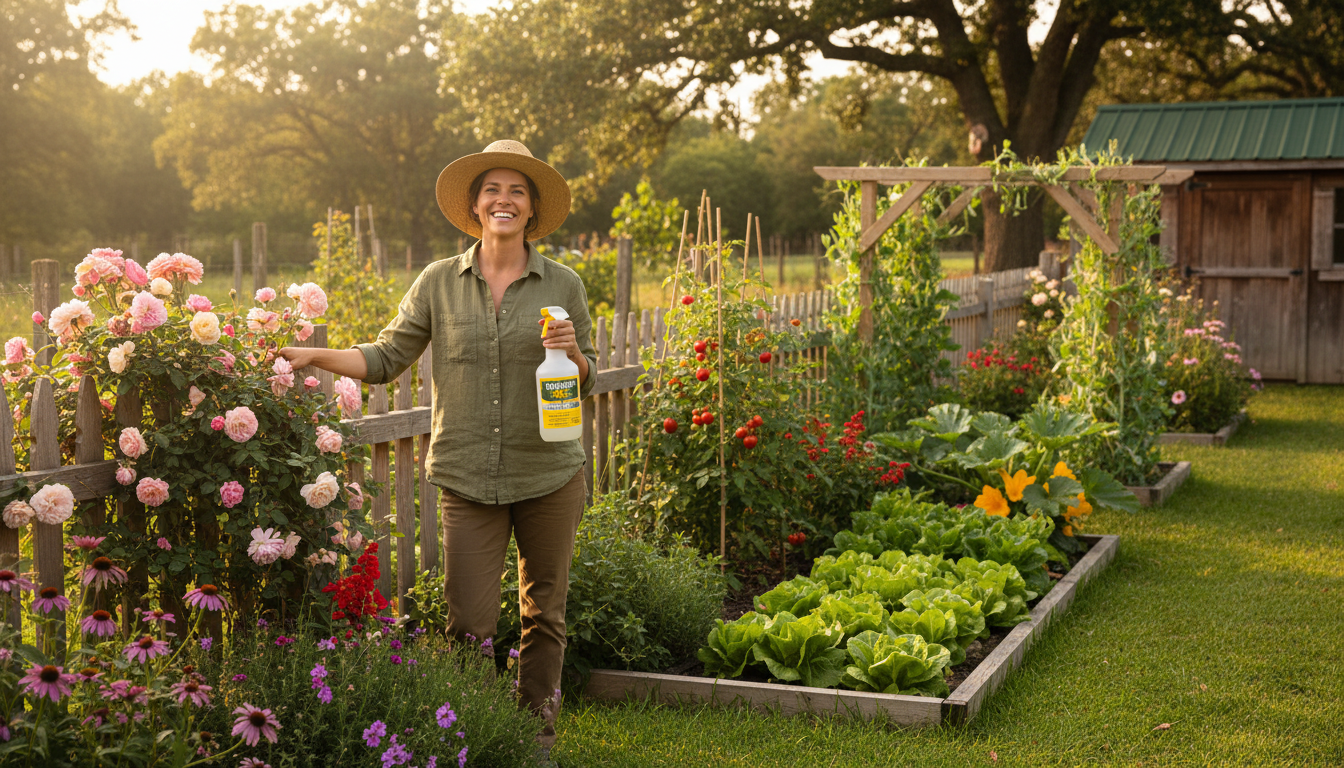
One of the key components of sustainable landscaping is the use of native plants. These plants are adapted to Michigan's climate and soil, making them more resilient and less reliant on irrigation and fertilizers. Native plants also provide essential habitats for local wildlife, promoting biodiversity.
Consider incorporating species like coneflowers, black-eyed Susans, and Michigan's state tree, the Eastern White Pine. These plants not only thrive naturally but also require less maintenance, saving you time and resources.
Water Conservation Techniques
Water conservation is crucial in sustainable landscaping. Implementing techniques such as rainwater harvesting and drip irrigation can significantly reduce water waste. These methods allow you to use water more efficiently, ensuring your landscape remains vibrant without depleting natural resources.

Additionally, using mulch around plants helps retain soil moisture, reducing the need for frequent watering. It's a simple yet effective strategy to keep your garden lush while conserving water.
Soil Health and Fertility
Maintaining healthy soil is vital for sustainable landscaping. Healthy soil supports plant growth and reduces the need for chemical fertilizers. Start by testing your soil to understand its composition and nutrient levels. This information will guide you in choosing the right organic amendments.
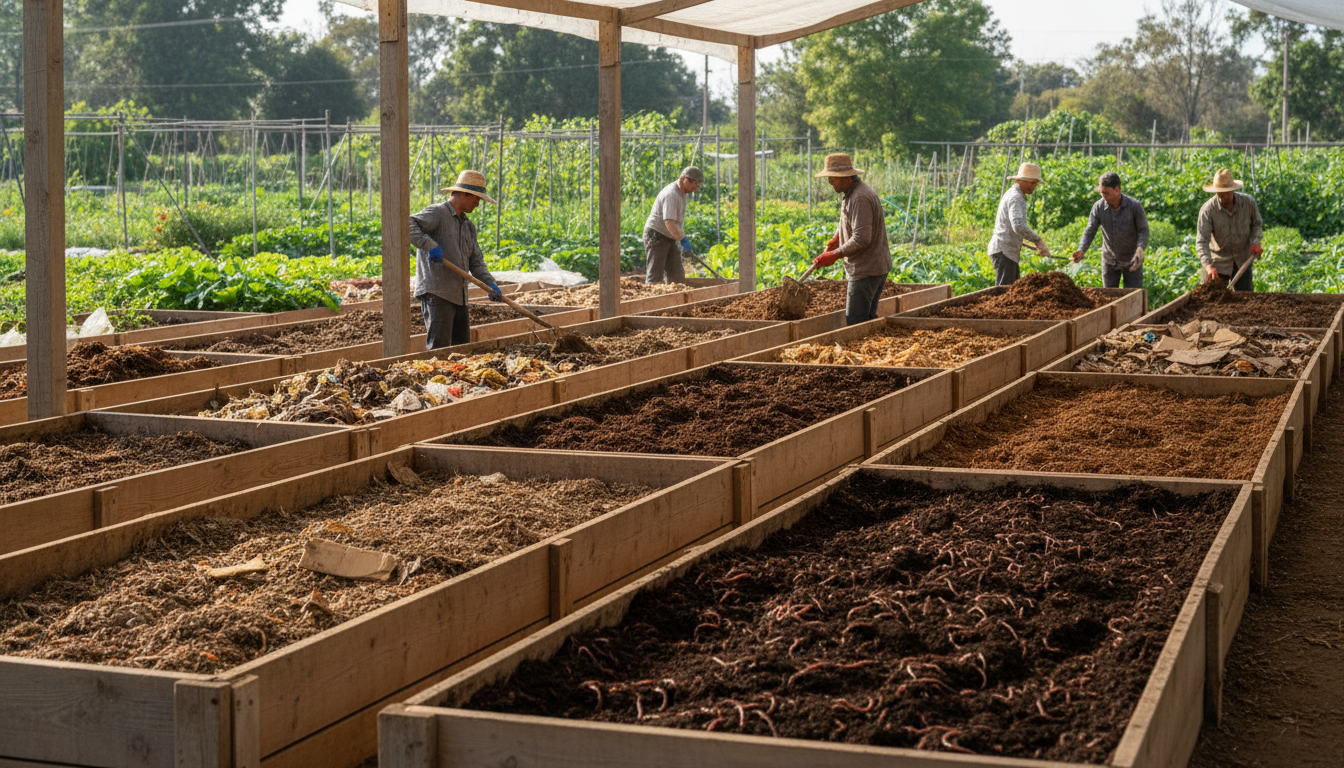
Composting is another excellent way to enhance soil fertility. By recycling kitchen scraps and yard waste, you create nutrient-rich compost that enriches the soil and promotes plant health.
Eco-Friendly Pest Management
Managing pests sustainably involves minimizing the use of chemical pesticides. Instead, focus on integrated pest management (IPM) techniques. These include encouraging beneficial insects, using physical barriers, and selecting disease-resistant plant varieties.
By fostering a balanced ecosystem, you can keep pest populations in check naturally and protect the health of your landscape.
Creating Wildlife Habitats
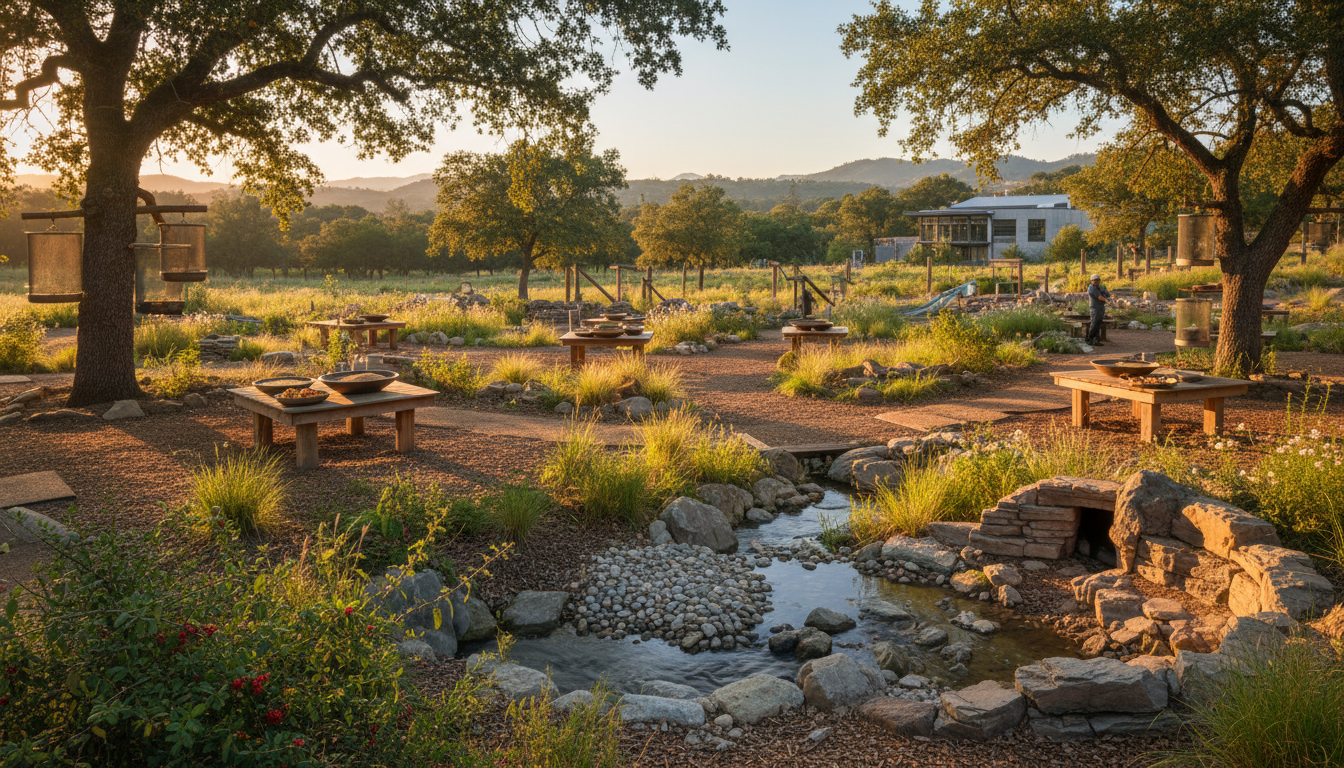
A sustainable landscape is not only about plants; it's also about creating habitats for wildlife. Incorporate elements like birdhouses, bee hotels, and butterfly gardens to attract and support local fauna. These features enhance biodiversity and contribute to a thriving ecosystem.
Remember, sustainable landscaping is a journey. By making informed choices and implementing eco-friendly practices, you can create a beautiful, resilient landscape that benefits both your property and the environment. Start small, and gradually incorporate more sustainable elements into your landscaping plan.