
Transform Your Backyard: A Guide to Garden Design in Michigan
Understanding Michigan's Climate
Designing a garden in Michigan requires understanding the local climate. Known for its four distinct seasons, Michigan offers a unique opportunity to create a garden that thrives year-round. The state's climate is characterized by cold winters and warm summers, which can influence plant selection and garden layout.
To make the most of your garden, consider incorporating plants that are native to the area. Native plants are well-adapted to the local environment, requiring less maintenance and water. This choice not only supports local biodiversity but also ensures a resilient garden.
Planning Your Garden Layout
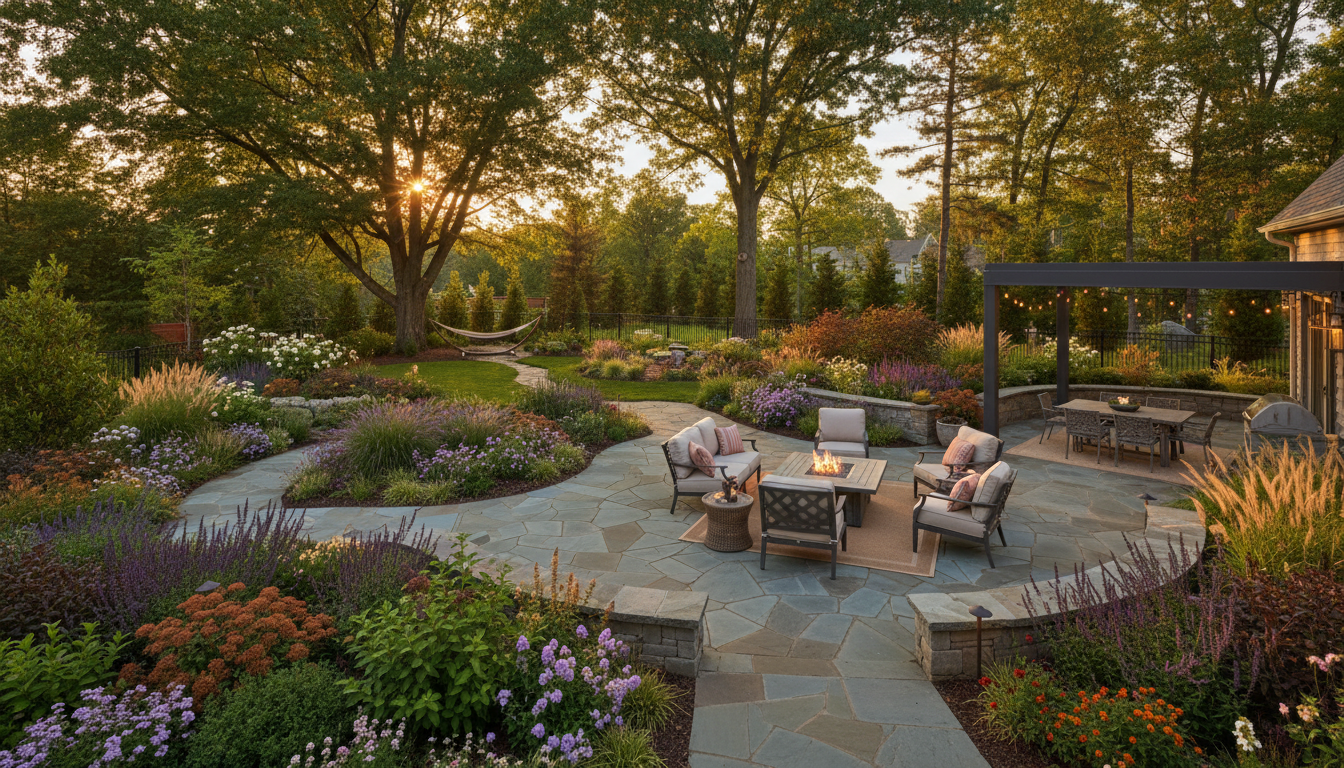
A well-thought-out garden layout is essential for creating a cohesive and functional outdoor space. Begin by assessing the size and shape of your backyard. This will help you determine the best placement for different garden elements, such as flower beds, pathways, and seating areas.
Consider dividing your garden into sections, each with a specific purpose. For example, you might have a vegetable garden, a flower bed, and a relaxation area. This approach allows you to enjoy various aspects of gardening while maximizing the use of space.
Utilize features like raised beds and vertical gardens to add dimension and make the most of limited space. These structures can also improve drainage and soil quality.
Choosing the Right Plants
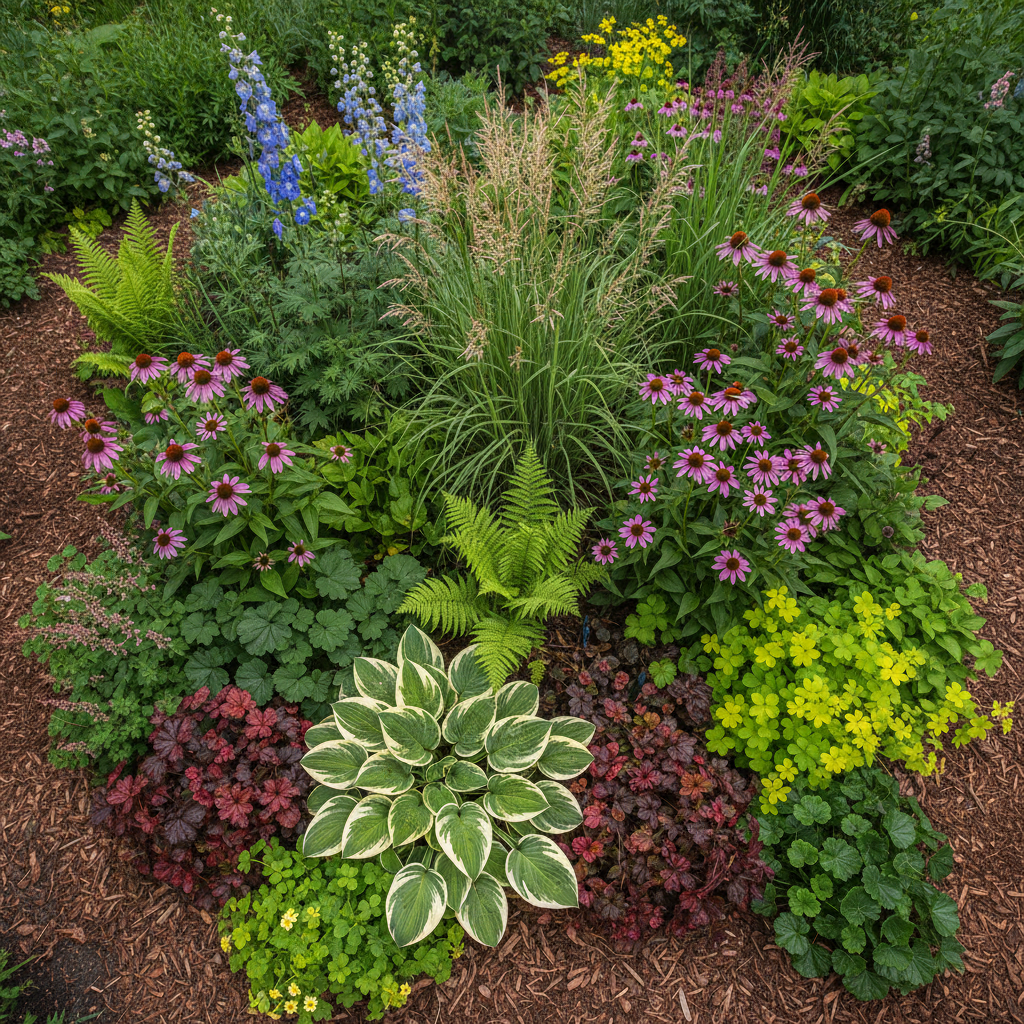
Selecting plants that are suited to Michigan's climate is crucial for a thriving garden. Consider perennials like coneflowers, black-eyed Susans, and hostas, which are hardy and return year after year. These plants provide vibrant color and texture throughout the growing season.
For those interested in edible gardening, vegetables such as tomatoes, peppers, and beans can flourish in Michigan's summer months. Be sure to plant them after the last frost to ensure successful growth.
Incorporating Water Features
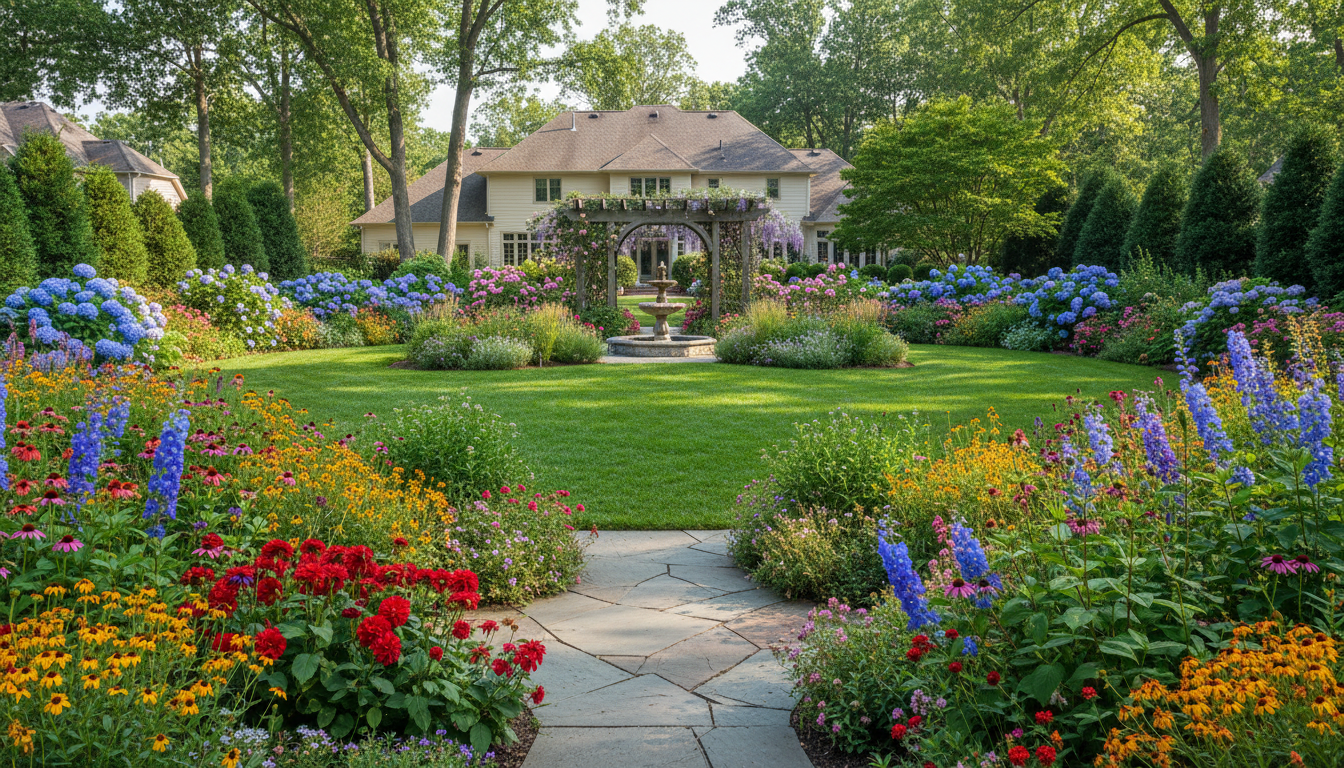
Adding water features to your garden can create a sense of tranquility and attract wildlife. Consider incorporating a small pond, waterfall, or birdbath. These elements not only enhance the aesthetic appeal but also support local ecosystems by providing a water source for birds and insects.
Ensure that water features are well-maintained to prevent issues such as algae growth and mosquito breeding. Regular cleaning and proper placement can mitigate these concerns.
Creating a Sustainable Garden
Sustainability is an essential aspect of modern garden design. Implementing eco-friendly practices can enhance the health of your garden while reducing environmental impact. Consider using rain barrels to collect rainwater for irrigation, and composting organic waste to enrich your soil.
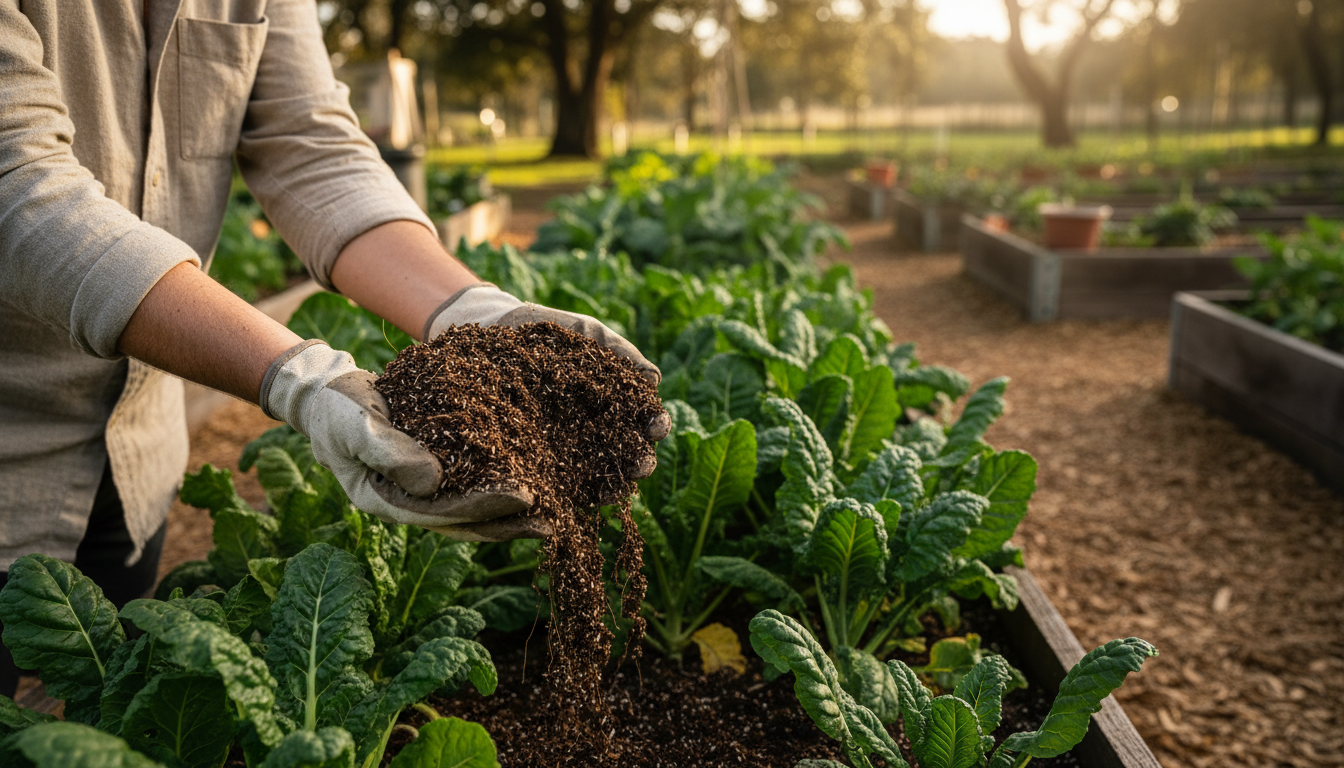
Mulching is another effective strategy. It conserves moisture, suppresses weeds, and adds nutrients to the soil as it breaks down. Choose organic mulch like wood chips or straw for the best results.
Adding Personal Touches
Your garden should reflect your personal style and preferences. Incorporate decorative elements such as sculptures, garden art, or unique planters to infuse personality into the space. These touches can create focal points and add interest.
Lighting is another way to enhance your garden's ambiance. Consider solar-powered lights for pathways or string lights for a cozy evening atmosphere. Thoughtful lighting can transform your garden into a magical retreat after dark.
Maintaining Your Garden
Regular maintenance is key to a thriving garden. Establish a routine that includes watering, weeding, pruning, and monitoring for pests. Consistent care will ensure that your garden remains healthy and vibrant throughout the seasons.
Consider keeping a garden journal to track plant growth, weather patterns, and seasonal changes. This practice can help you make informed decisions and improve your gardening skills over time.