
Tree Trimming in Michigan: Essential Practices for Healthy Landscapes
Understanding the Importance of Tree Trimming
Tree trimming is a crucial practice for maintaining healthy landscapes in Michigan. The state's diverse climate and natural beauty make it an ideal location for a variety of tree species. However, without proper maintenance, these trees can become hazardous or unhealthy. Regular trimming not only enhances aesthetics but also promotes the longevity and health of trees.
Benefits of Regular Tree Trimming
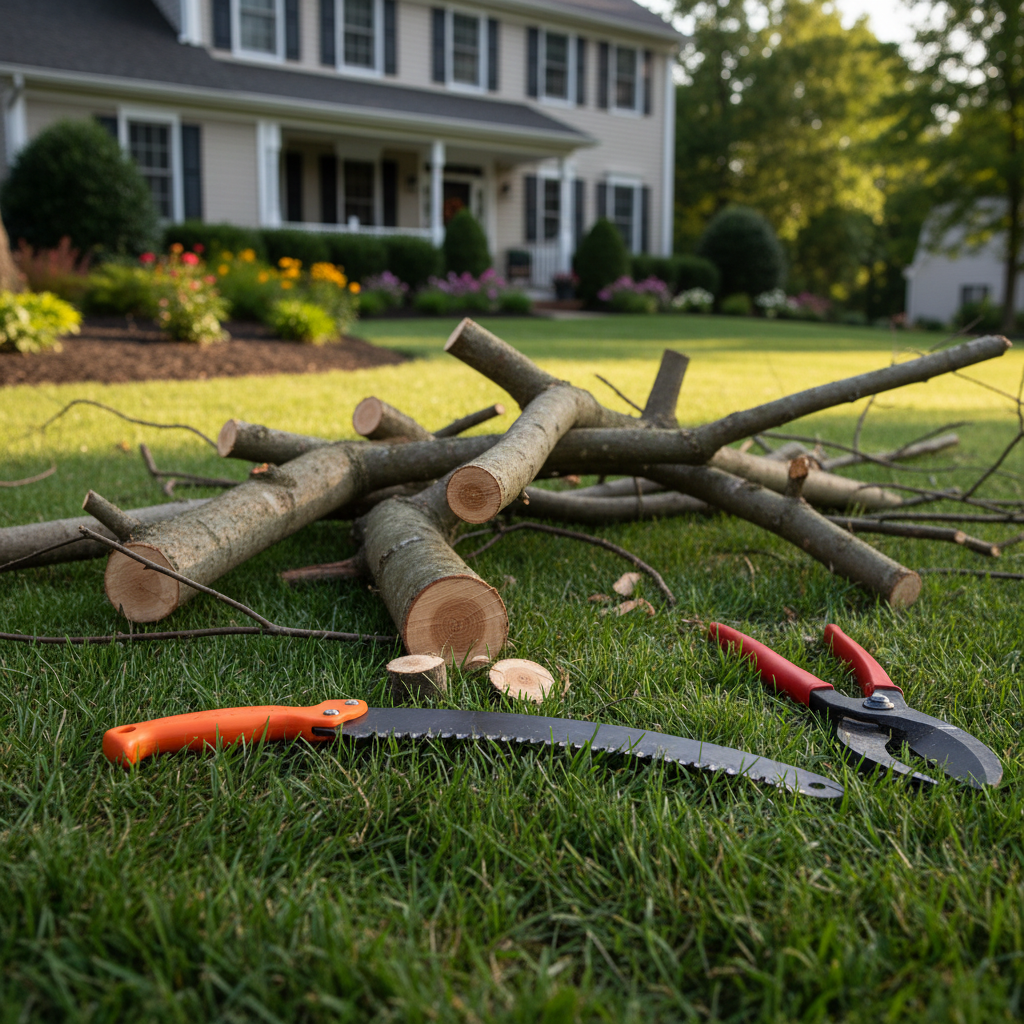
Trimming trees offers numerous benefits. It encourages healthy growth by removing dead or diseased branches. This process allows more sunlight and air circulation, fostering a robust environment for the tree and surrounding plants. Additionally, regular trimming can prevent potential hazards caused by falling branches, especially during Michigan's stormy seasons.
Another significant advantage of tree trimming is its impact on a property's overall appearance. Well-maintained trees contribute to a polished and attractive landscape, increasing property value. Furthermore, keeping trees in good condition can reduce the risk of damage to homes and other structures.
Best Practices for Tree Trimming in Michigan
When it comes to tree trimming in Michigan, timing and technique are essential. The best time to trim most trees is during the dormant season, typically in late winter or early spring. This timing minimizes stress on the tree and reduces the risk of disease.

Techniques for Effective Trimming
Effective trimming requires knowledge and precision. It's important to use clean, sharp tools to make precise cuts. Start by removing any dead, damaged, or diseased branches. Next, focus on thinning out overgrown areas to improve air circulation. Be cautious not to over-prune, as this can hinder the tree's growth and health.
For larger trees or those near power lines, it's recommended to hire a professional arborist. They have the expertise and equipment to handle complex trimming tasks safely and efficiently.
Common Tree Species in Michigan
Understanding the common tree species in Michigan can help in tailoring trimming practices. Some prevalent species include maples, oaks, and pines. Each species may require specific trimming techniques to ensure optimal health and growth.

Special Considerations for Different Species
Maple trees, for instance, are best pruned in late summer to avoid excessive sap loss. Oaks, on the other hand, should be trimmed during dormancy to prevent the spread of oak wilt disease. Knowing these specific needs can make a significant difference in maintaining healthy trees.
In conclusion, tree trimming is an essential practice for maintaining beautiful and healthy landscapes in Michigan. By following the right techniques and timing, you can ensure your trees thrive and enhance your property's value. Consider consulting with professionals for guidance tailored to your specific landscape needs.